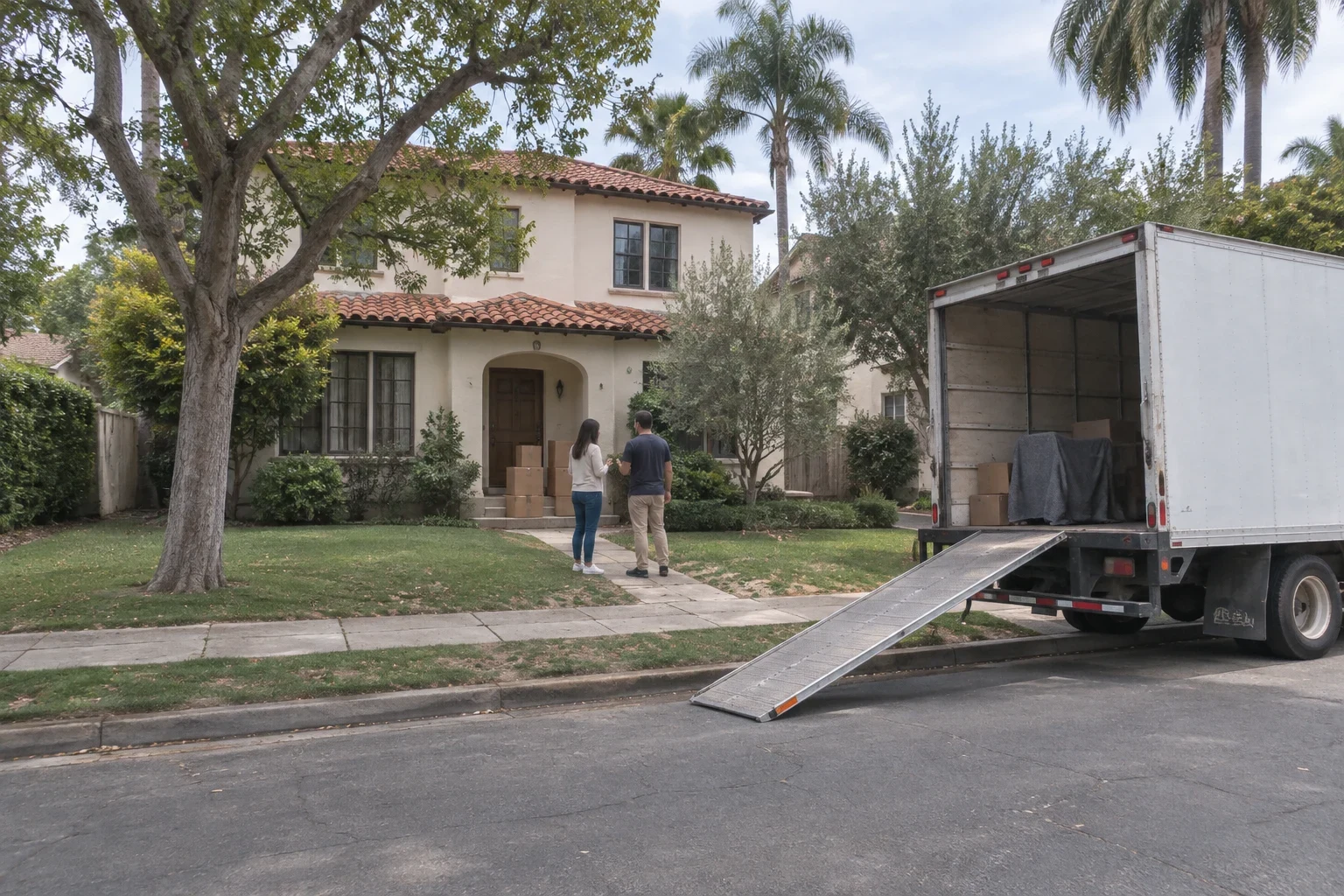
What Happens If I Sell My House in Beverly Hills and Don't Buy Another?
No rule says you have to buy again. The parts worth planning are the tax bill, where you'll live next and what you still owe the buyer after closing.
What happens if I sell my house and don't buy another?
Nothing bad happens. You don't have to buy another house, and there is no penalty for staying out of the market. You keep the cash after the loan and closing costs are paid. Your main question is taxes, and the home sale exclusion often covers much or all of the gain. Talk it through with us at (310) 421-8935.
Do I pay taxes to the IRS when I sell?
Maybe, and often less than people expect. If the house was your main residence and you owned it and lived in it for at least two of the last five years, federal law lets you exclude a set amount of gain from tax. Married couples filing jointly can exclude twice what a single filer can. Gain means the sale price minus what you paid, minus the cost of improvements and selling costs.
California follows the same exclusion for state tax. What it does not do is give capital gains a lower rate. Any gain above the exclusion is taxed by the state like regular income.
That old idea that you must buy a pricier house to dodge the tax is gone. The rollover rule that worked that way ended in 1997. Today, buying again does nothing for the tax on a personal residence.
- Keep records of what you paid and every major improvement, like a new roof or a remodeled kitchen.
- Selling costs such as escrow and title fees can lower your taxable gain.
- Long ownership in this area often means a big gain, so run the numbers before you pick a price.
- A tax preparer or CPA should confirm your figures and the current exclusion limits. We are agents, not tax advisors.
How much tax would I pay on a large gain?
It depends on your income, your filing status and whether the exclusion applies. If the house was your primary residence and you meet the two-out-of-five-year test, a modest gain may be fully covered. A larger gain can still be covered for a married couple filing jointly, since their limit is double the single limit. Only the part above the limit is taxed.
If the property was a rental or a second place, the exclusion usually does not apply. Then the gain is taxed at federal long-term capital gains rates if you held it more than a year, plus California income tax. Rentals also bring depreciation recapture into the math. That is a real reason to sit down with a CPA before you sign anything.
Is there a penalty for selling within a year?
There is no penalty. The difference is how the gain is taxed. Sell a property you held for a year or less and the federal government treats the gain as ordinary income, which is often a higher rate than long-term gains.
If you lived there less than two years, you may still get a partial exclusion when the move was caused by a job change, a health issue or certain other unforeseen events. Ask your tax preparer whether your situation qualifies.
Investors sometimes use a 1031 exchange to defer tax by buying another investment property. That tool is for rentals and business property. It does not apply to the place you live.
How long are you liable for a house after you sell it?
Your biggest protection is honest disclosure. California requires sellers to complete disclosure forms that cover known problems, past repairs, permits and things like water intrusion. If you tell the buyer what you know in writing, you are in a much stronger position later.
Claims usually come from defects the seller knew about and hid. How long a buyer has to bring a claim depends on the kind of claim, so a real estate attorney is the right person for that question. Selling as-is does not erase disclosure duties, but it does make clear the buyer is taking the house in its current condition with no repairs from you.
- Answer every disclosure question fully and keep copies of what you sign.
- Hand over permits and repair records you have.
- Cancel utilities and insurance only after the closing date, not before.
Where you'll live next, and how to time the sale
Plenty of sellers rent for a while, move in with family, or head somewhere with lower costs than Beverly Hills. Renting gives you time to see where prices go without being locked into a second purchase.
Timing matters more than people think. If you are close to the two-year mark, waiting a few weeks could save real tax money. If you need cash soon, a quick sale may matter more. When you choose the closing date, you can line up a lease or a move without paying for two places at once.
Our team is small, so the same people stay with you from the first call to the day you hand over keys. You won't be passed around while you sort out the move.
More questions sellers ask us
- Can I sell for cash instead of going to market?
- Yes. We buy houses for cash, as-is, with no repairs needed. We also run a Guarantee cash offer program, and we can walk you through how it works by phone.
- Will I owe anything at closing besides my loan payoff?
- Usually there are escrow, title and transfer costs, plus any agent fees if you sell on the open market. We go over each line with you before you sign so nothing comes as a surprise.
- Can I stay in the house for a short time after closing?
- Sometimes. A short rent-back can be written into the contract if the buyer agrees, which gives you time to move without rushing.
- Do I need to decide between selling with an agent and taking a cash offer right away?
- No. We can show you what both paths might look like for your property, and you pick the one that fits your timeline.
Know your numbers before you decide
A call gets you a confidential home valuation from the people who will handle your sale. We'll also explain a cash offer if speed matters more than top price.